
Showing posts with label smart. Show all posts
Showing posts with label smart. Show all posts
Friday, 20 March 2020

Monday, 16 March 2020
Autumn time
At autumn time leaves, fall and crunch up.
Under the trees, I hear birds chirping from the distance behind me.
Time by time leaves turn color and people plant corn and vegetables
(people plant corn to grow in spring and eat in winter ) .
(people plant corn to grow in spring and eat in winter ) .
Under my feet are old crispy and crunchy leaves.
March the 1st is Autumn. At autumn time leaves fall so dry and crispy.
Near me I feel so amazed from such beautiful things.

Monday, 14 October 2019
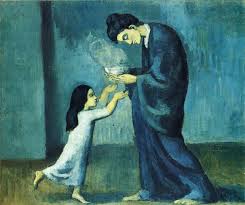
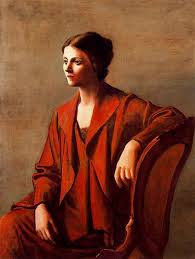
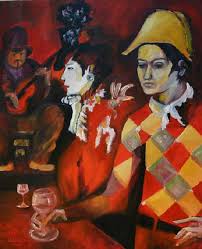
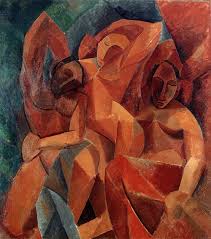
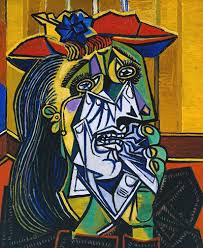
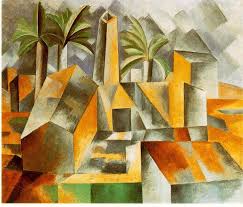
Pablo Picasso
Pablo Picasso was born in 1881 and died in 1973 in france Pablo Picasso was in spain Pablo Picasso was 91 years old when he died. His first painting was called Le prcador. When Pablo Picasso was 13 he went to his first art school and when he was 16 he went to spain to his second art school called Madrid’s Royal Academy of San Fernando.At the age of 21 he moved to france and he become famous when some american art collectors brought some of his paintings.His artwork got stolen as it was worth a lot of money.








Tuesday, 10 September 2019
Roy Lichtenstein
This is one of Roy Lichtenstein’s Art.

Roy Lichtenstein was born on the 27 of october 1923
And he died on 29 September 1997.
The university that he went to is called Dwight University.

This is a picture of Roy Lichenstein
He taught at Ohio State University,State University of New York at Oswego and the last university that he was a teacher at is Rutgers University.
He was inspired by comics , advertisements and Bendy dots.
Roy Lichtenstein was famous for Pop Art.
Wednesday, 21 August 2019
The dangerous Adventure in the rainforest
P1 Introduction
One sunny morning when the birds where chattering in their nests and completely
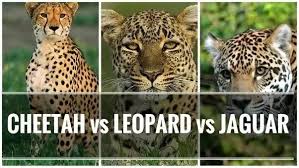
different Animals A Tiger A Cheetah and A Jagua went for a walk in the Lovely sunny rainforest.
One sunny morning when the birds where chattering in their nests and completely
different Animals A Tiger A Cheetah and A Jagua went for a walk in the Lovely sunny rainforest.
P2 Orientation
Tiger saw The Cheetah taking a walk in the sunny rainforest and Pounced at the Cheetah.
The Tiger growled at the Cheetah well he Pounced at the Cheetah.
Tiger saw The Cheetah taking a walk in the sunny rainforest and Pounced at the Cheetah.
The Tiger growled at the Cheetah well he Pounced at the Cheetah.
P3 Problem
The Tiger bit the cheetah and the cheetah got hurt.The tiger didn't go he Kept hurting the Sad hurt poor
Cheetah.
The Tiger bit the cheetah and the cheetah got hurt.The tiger didn't go he Kept hurting the Sad hurt poor
Cheetah.
P4 Solution
The Jaguar saved the Cheetah by defeating the Tiger and The Jaguar help the Cheetah by
fixing the cheetah’s bit.The bit was pretty bad but the Cheetah still survived.
The Jaguar saved the Cheetah by defeating the Tiger and The Jaguar help the Cheetah by
fixing the cheetah’s bit.The bit was pretty bad but the Cheetah still survived.
P5 Conclusion
The cheetah felt better and they all went to their lovely warm home.
To their Colani with their Lovely nice family.
The cheetah felt better and they all went to their lovely warm home.
To their Colani with their Lovely nice family.
Friday, 16 August 2019
Lynch My habitat book
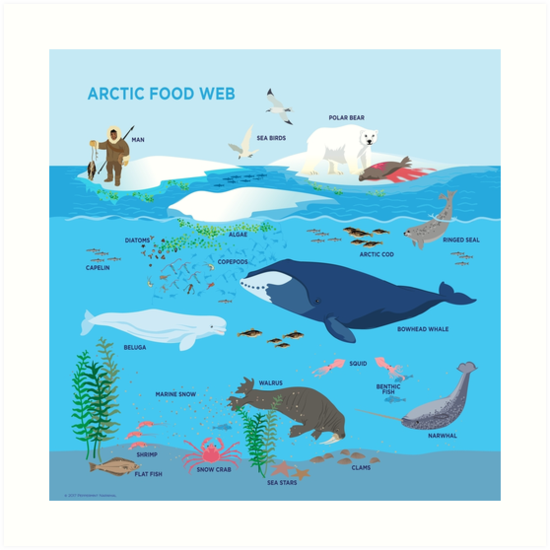
My habitat is the Arctic the Arctic is on the top of the world. Antarctica is on the bottom of the world. The difference between Antarctica and the Arctic is because the Arctic has polar bears and Antarctica doesn't. Antarctica also has penguins and the arctic doesn’t.
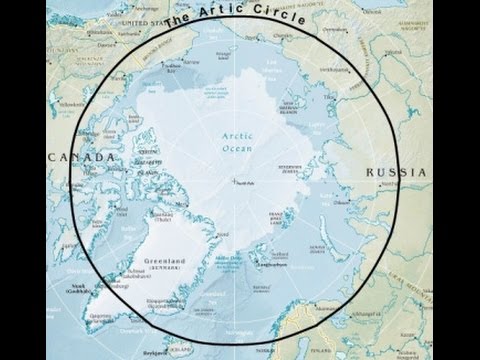
The Arctic is one of the coldest places in the world. The biggest animal in the Arctic food chain is the polar bear.It can eat anything and it is the top predator in the Arctic.the polar bear is the top of the food chain in the Arctic.
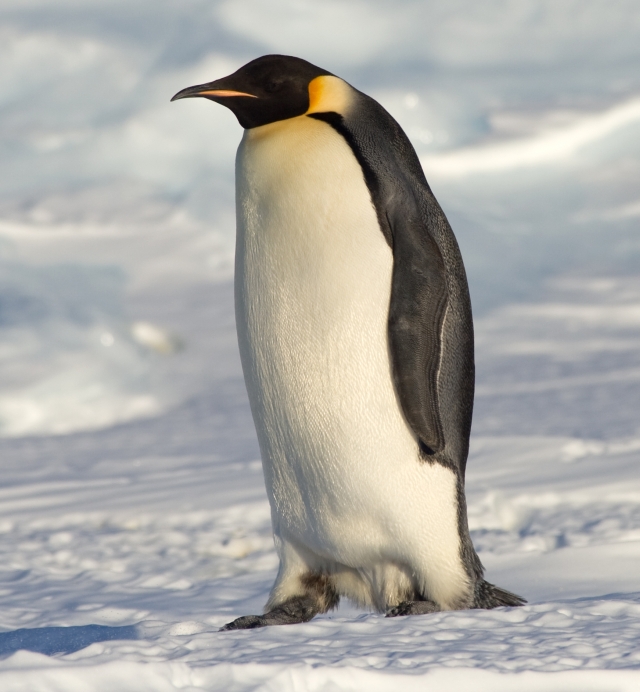
Empire penguin
The empire penguin is the biggest penguin in the world because the empire penguin is just as tall as a five year old girl and the empire penguin can also slide on its belly because it is faster for them to get down.The mother empire penguin lives the baby with the father and it goes to get some food and when the mother gets back she vomits the fish into the baby's mouth.
The wether in the Arctic
The weather in the Arctic in the winter is -30° F (-34°C) and the weather is the summer is 37-54° F (3-12° C).In general,Arctic winters are long and cold while summers are short and cool.
Made by : Lynch
Friday, 2 August 2019
My Acrostic poems
MY FISH Acrostic poem
Fat is inside them
It lives in the different places
Sea is where they live
Has different kinds of colours
MY SNAKE Acrostic poem
Silvery long body
Nasty venum
All around the safari
Kraciling skin
Eats small rodents
MY DEAR
Acrostic poem
Dalaket legs when it is born
Ears to hear predators
Ears for hunting Runs fast
MY EASTER
poem Eggs
After jesus died people praise
him
Special sunday
Torture Easter Rising
MY LION
Acrostic poem
Long fluffy main
I rule the jungle
Naps all day
Orange skin
Fat is inside them
It lives in the different places
Sea is where they live
Has different kinds of colours
MY SNAKE Acrostic poem
Silvery long body
Nasty venum
All around the safari
Kraciling skin
Eats small rodents
MY DEAR
Acrostic poem
Dalaket legs when it is born
Ears to hear predators
Ears for hunting Runs fast
MY EASTER
poem Eggs
After jesus died people praise
him
Special sunday
Torture Easter Rising
MY LION
Acrostic poem
Long fluffy main
I rule the jungle
Naps all day
Orange skin
Wednesday, 24 July 2019
New words animal kingdom reading mondays reading
New words from animal kingdom reading
Monday’s reading
Organism - a living thing
Vertebrate - has a spine
Invertebrate - has no spine
Taxonomy - a way to group things
Diverse - a big range
Amphibians - organisms that live in water and on land
Heterotrophic - means they must find and eat food
Autotrophic - an organism that can make its own food
Primates (apes, monkeys)
Rodents (rats, squirrels)
Cetaceans (dolphins, whales)
Marsupials (kangaroos, koalas)
Monotremes (egg laying mammals like the platypus)
Autotrophic - make their own food by photosynthesis
Photosynthesis - how plants make their own food
Vascular - uses roots to absorb water
Nonvascular - uses the whole plant to absorb water
Decompose, decomposition - to break down
Non-flowering - no flowers
Thermophiles - (root word is thermo which is about temperature)
Big ideas from the reading
All living things are called organisms.
They are organised into 6 groups called kingdoms. Each group has certain characteristics that each organism must have.
Animals
Can move on their own
Are heterotrophic (can’t make their own food)
Must eat to survive
Vertebrates and invertebrates
Plants
They are Autotrophic (they make their own food)
Some are vascular and nonvascular.
If a plant has seeds or fruit, it is a flowering plant.
Eubacteria
Are made up of just one cell. They are everywhere. Some bacteria are good and some are bad.
Bacteria called decomposers break down dead plants and anacteria.
Archaebacteria
Can survive where no other organism can live.
Thermophiles, methanogens and halophiles
Fungi
Say it fun guy
Mushrooms are a fungi
They are heterotrophic (can’a make their own food)
Use enzymes to break down food
Protista
Are related to either plants, animals or fungi (one of them, not related to all of them at the same time)
wednesday reading about classes of Animals
Wednesday reading about classes of animals
Class ‘Aves’
New words
Maintain - keep
Possess - have
Grasp - grab
Wading - walking through water
Rapidly - quickly, fast
Talons - claws on toes
Main characteristics of Aves
Warm blooded vertebrates that have wings and feathers
Different kinds of birds eat different foods - they eat seeds, nectar from flowers, insects, worms, and sometimes small animals.
Birds have beaks.
Birds are bipedal.
There are 4 types of birds - perching birds, flightless birds, birds of prey and water birds.
Class ‘Amphibians’
New words
Respiration - breathing
Aids - helps
Terrestrial - land
Offspring - babies, children
Larvae - the early stage of life (look like a maggot kind of)
Metamorphosis - the process of growing
Hind legs - back legs
Aquatic - live in water
Main characteristics of amphibians
Live both on land and water.
Lay eggs in water.
Cold-blooded
Breathe through their skin - their skin must stay moist.
Have webbed feet.
Class ‘Fish’
New words
Torpedo-shaped - shaped like a rocket
External - outside
Main characteristics of fish
Cold-blooded
Have fins and gills
Fish don’t get pregnant, they put their eggs (babies) into the water.
Class ‘reptiles’
New words
Locomotion - movement
Broad - wide
Narrow - skinny
Fangs - teeth
Venom - poisonous liquid
Main characteristics of reptiles
Dry-scaly like skin
Limbs make them go fast
Lay eggs
Have ear holes, not ears
Cold-blooded
Class ‘mammals’
New words
Sweat glands - part of your body that makes you sweat
Partially - part
Derived - comes from
Insulator - keep warm
Approximately - about, roughly
Main characteristics of mammals
Warm blooded
Have live babies and mothers feed babies milk
Large brains
Partially covered in hair - to keep them warm
Have sweat glands - to keep them cool
Have skin
Have external ears (pinnae)
Fun facts!
Snakes don’t have noses
Turtles mostly live in water, and tortoises mostly live on land
New Words
New words from reading
Tuesday 23rd July 2019
Big idea: within each kingdom there are more different groups that classify animals.
Prokaryotes - a name of a kingdom
Etc means etcetera
Interbreed - when two different animals have babies together
Mnemonics help us remember hard things, for example NEVER EAT SOGGY WEETBIX helps us remember North East South West.
This is the mnemonic i learnt to help me remember the order:
Type here
Kingdom
Phylum
Class
Order
Family
Genus
Species
Monday, 1 July 2019
Our new learning
Room 7
Dinosaur knowledge
Prior Knowledge
In 2 weeks, we learnt that...
Animal
Predator
Dino is the root word
‘Saurs’ means something
Species
Extinct
Huge
Large bones
Long necks
Eggs
Sharp teeth
Long tails
Eat people
Different kinds
Spikes
Horns
Mammals
4 legs
Bipedal means 2 feet and quadruped means 4 feet. Some dinosaurs are bipedal and some are quadrupeds. Some can change between the two stances. They are sturdy.
Theropod is a 3 clawed dinosaurs
Dinosaurs are warm-blooded, which means their blood temperature is always the same
Carnivore means a meat eater
Herbivore means a plant eater
Omnivore means it can eat plants and meat
Some dinosaurs are huge and some are small. Typically, huge dinosaurs were sluggish (slow).
Dinosaurs died out 66 million years ago. They started existed 230 million years.
They died because of an extinction event, most people think this was because a meteor hit the Earth.
Dinosaurs legs go out the bottom of their hip bones, whereas reptiles bones go to the side of their hips. Reptiles do not have an extra hole in their skull, but dinosaurs do.
Mary Anning found lots of fossils on a cliffside in England in the 19th century. She was born in 1799 and died in 1847. She survived a lightning strike as a baby. In 1824 she found the first fossil.
Non-avian dinosaurs are dinosaurs that are not birds. Avian means birds.
Metabolism means how fast or slow your body converts food into energy
Diverse means a big range
Modifications means changes. Dinosaurs have modifications such as spikes, armour, horns or crests.
Clade means family.
Lineage means ancestors/descendants
Paleontologists are scientists that study ancient things including dinosaurs
There are 4 main groups of dinosaurs; theropods, sauropods, ankylosaurus and pterosaurs.
Titanoboa was top of the food chain after the dinosaurs died. It killed people by constricting people. It spent most of its time in the water because it was super heavy. It was 13m long, as big as a bus.
Hominis existed when 7-6 million years ago, the first humans to walk on 2 feet.
People did not exist when dinosaurs existed.
Adaptation is something that changes over time.
Ecology - how animals relate to each other
Fossils are made when dinosaurs die and their bones get trapped in rock or mud. The bones break down over time but leave a mould, which is filled with rock. This becomes the fossil.
Dinosaurs sometimes eat each other.
There were 3 periods of time that have dinosaurs. This is called the ‘age of dinosaurs’ also known as the ‘Mesozoic Era’; Triassic period, Jurassic period, and Cretaceous period.
Then there were 3 more periods in time, “Age of mammals”, also known as ‘Cenozoic Era’; Paleogene Period, Neogene period and Quaternary period.
Dinosaur fossils have been found on every continent, including Antarctica.
Joan Wiffen found the first dinosaur fossil (a theropods tailbone) in NZ in 1975, in Hawkes Bay. She died in 2009.
Dinosaurs laid eggs and they lived in family groups.
Friday, 28 June 2019
Joan Wiffen
Joan wiffen was born on the 4th of february 1922.Joan wiffen died on the 30th of february 2009.Joan wiffen is famous because in 1957 she found the first fossil bone near Te Hao river.She found a theropods claw,Tail bone,Wing bone,another tailbone from an ankylosaur in manga hounga stream.
Subscribe to:
Posts (Atom)